
The two games that I developed during my time at TUM and their journey:
Boardscapes, a cross platform game between PC and VR and
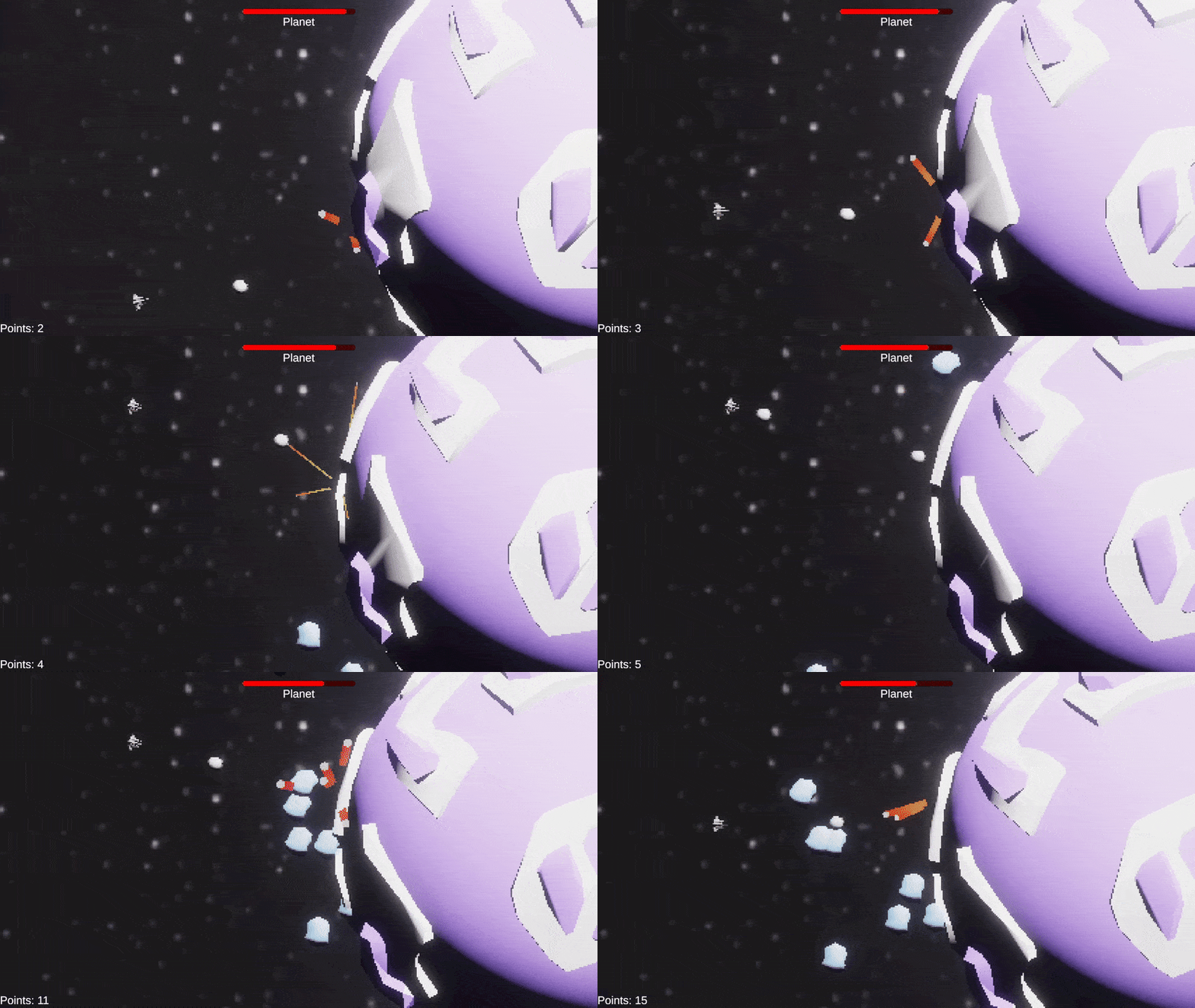
Planet Miner, my very first game at TUM
Boardscapes
Boardscapes is a cross platform game between PC and VR in which both players work together to solve puzzles. If you have ever played Moss on any VR headset, you know what the game feels like, just that the little guy on the ground is actually another player. The game isnt local but fully online, so learning Photon to synchronize mechanics and visuals was a huge challenge, but making for an impressive project given the one month time frame.
The process
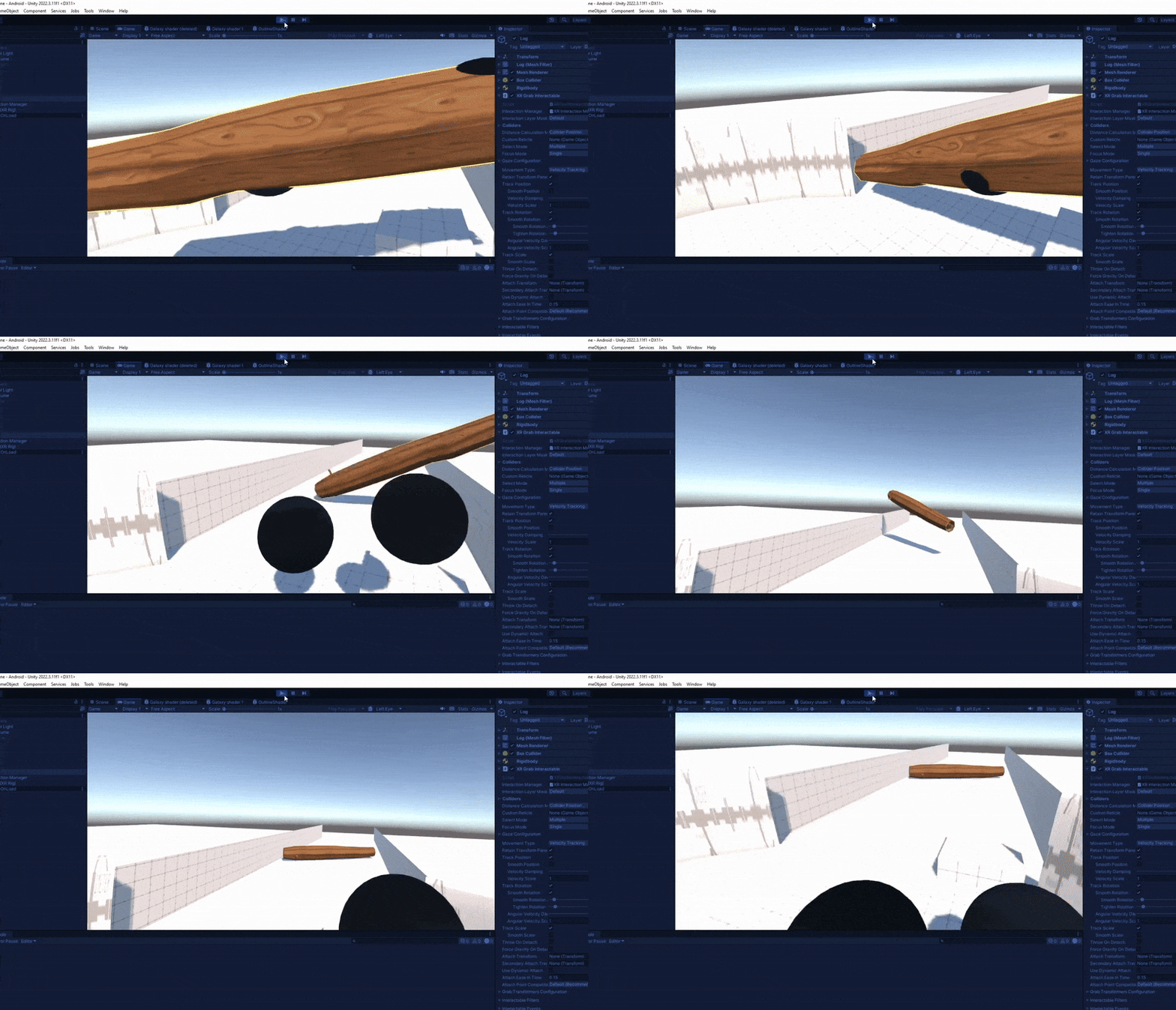
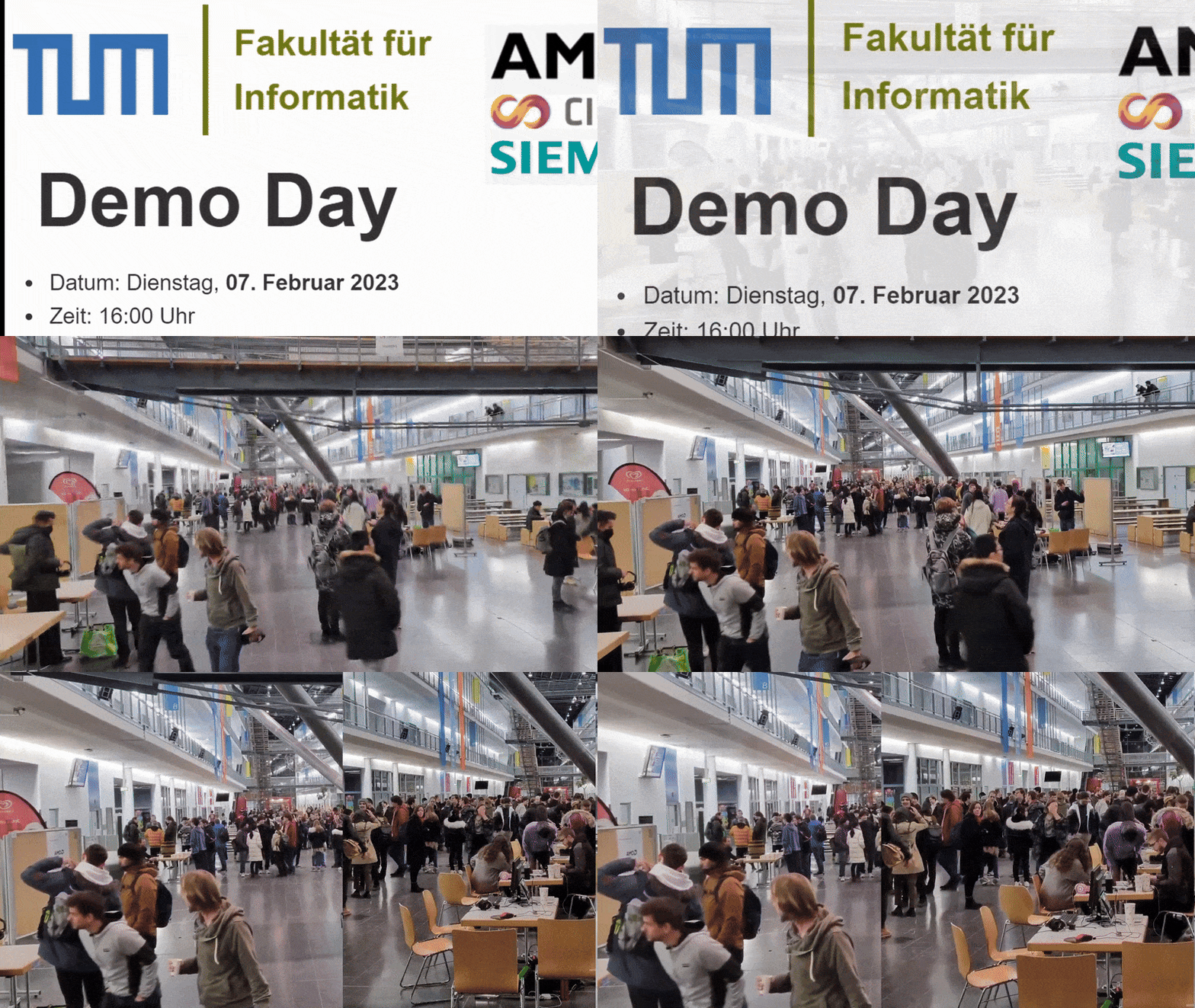
The first time working in a real team, being the only one able to test and develop in VR while developing a networked, cross platform game between PC and VR for the first time was a huge challenge. There was a lot of pressure to perform in this project because a lot of the games' appeal hinged on the interaction between PC and VR players being smooth and easily understood. Designing an implementing simple and intuitive mechanics was at the forefront of our development process and really payed off once we were allowed to present our game at the TUM demo day.
Working in a team
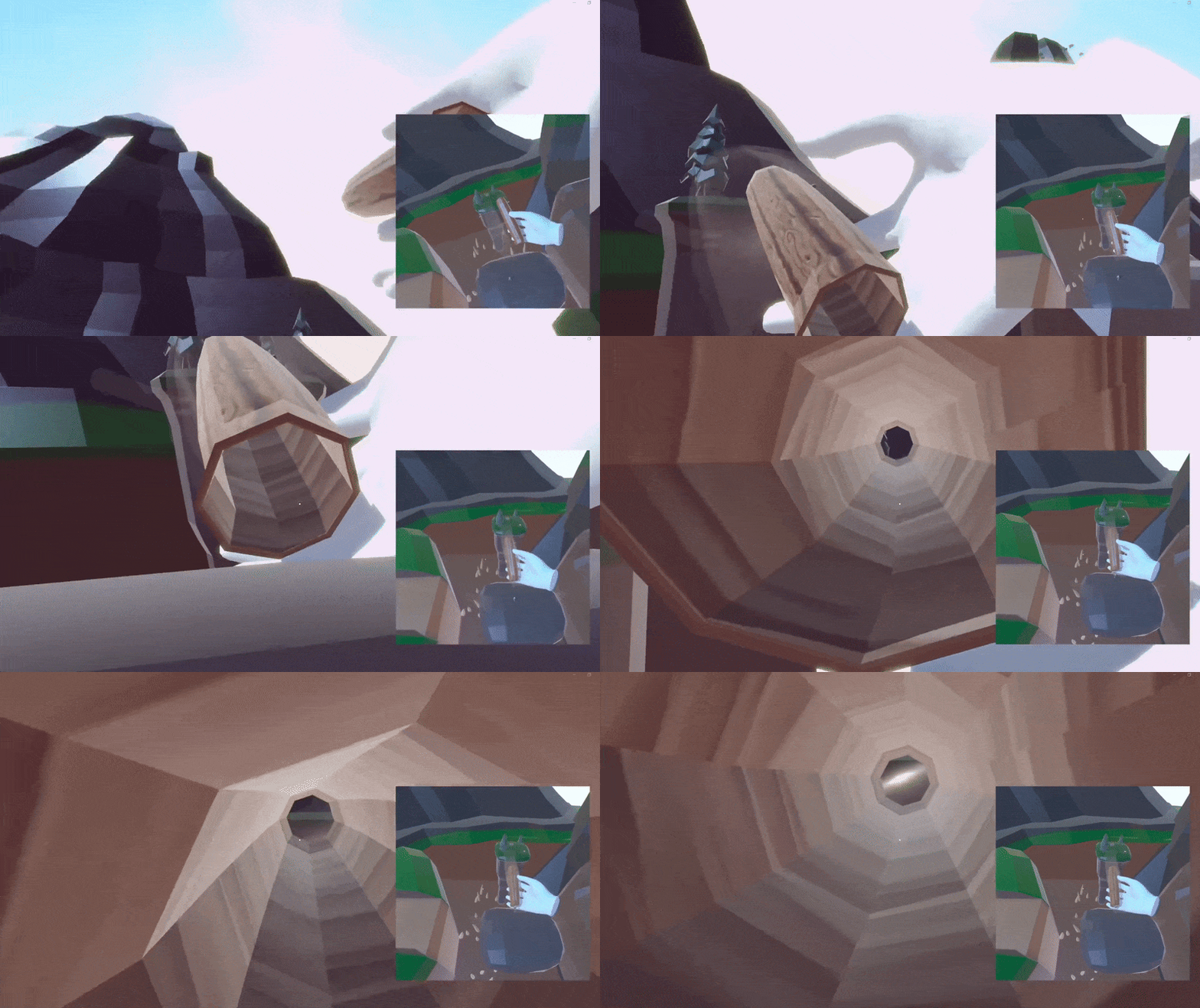
At this point I had rarely worked in collaboration with other people on computer science projects. I had a good understanding of git and versioning but had previously only applied my knowledge for personal use. Suddenly being supported by a team and having to adapt to a quickly approaching deadline was a fun challenge that brought with it a lot of experience when handling a group. Many sleepless nights were spent filling in for when people went sick or simply couldn't perform for private reasons. And still, having one or two motivated people by your side that pushed to make the project better and better is what really made the experience memorable.
Making use of the capabilities
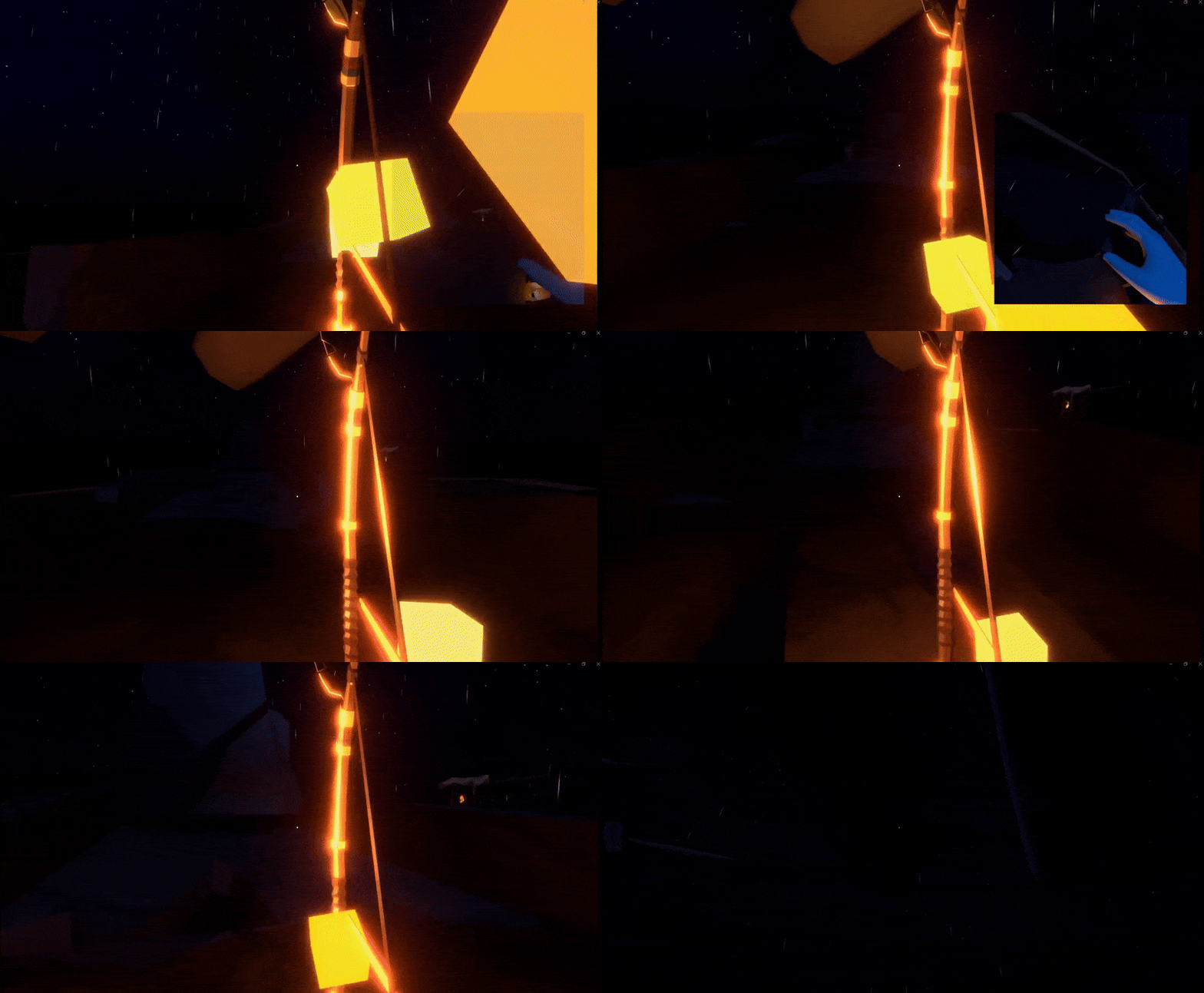
Expanding on the topic of creating simple and intuitive mechanics, we thought to mainly focus on things people probably were already familiar with on PC and to make us of very simple gameplay in the VR headset. The goal was to create a harmony between the two that would still remain memorable. So every mechanic or puzzle in the game uses one or no buttons at all, seeing the giant VR player in a protective role, often times holding their hand guardingly above their small PC-bound friend.
Planet Miner
A demo and the start of my biggest solo project yet. Previous to this I had been developing TimeGlideAR for quite a while and had been itching to finally start work on a project of my own. This passion-project has been ongoing for about a year at this point (middle of 2025).
Working on a game alone
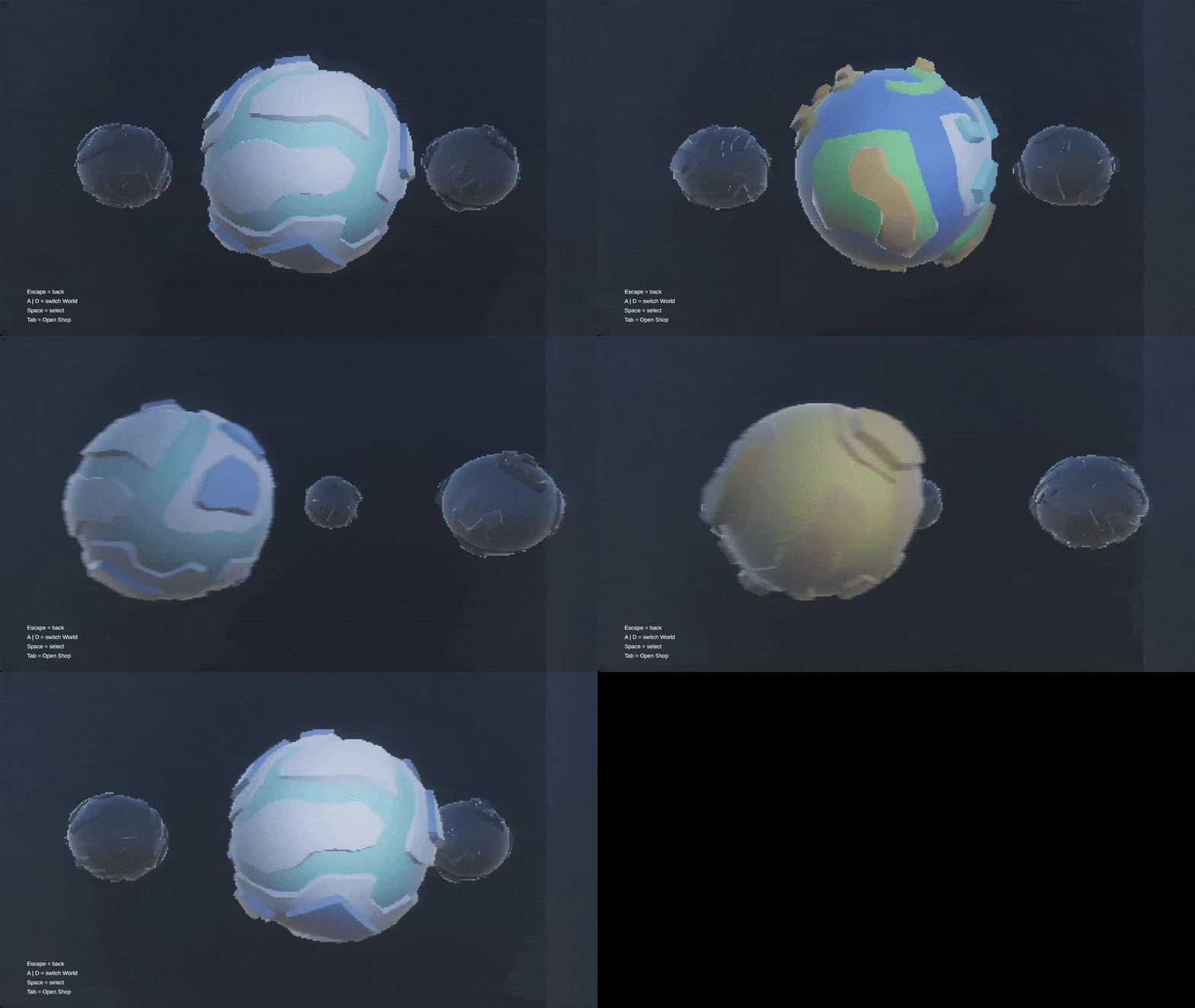
The games' core mechanics are heavily inspired by titles such as Gorilla Tag, where freedom of movement and the mastering of that skill creates a lot of the fun. Many of the ideas and implementations modify this behavior, adding layers of interaction to the world and its objects. What really sticks out though, is the games simplistic visual style and storytelling elements.
Stress and deadlines
Everything you see is modeled by me, by hand, in Blender. The project being my main introduction to the topic of 3D modeling and rendering. With the game being modeled and made for the Meta Quest, the choice of a very simplistic artstyle is more than just stylistic, its a practical choice that takes into consideration the computational power of the system it will be running on.
Having fun with it
Grabby Space Marine as I see it is a kind of playground for me to experiment with new ideas and techniques. As an example, modifying and developing the movement system to match what I want and need involved a long process that brought me to learn a lot about VR development and game development in general. Creating a whole game on your own involves a wide spectrum of topics that range from immersive storytelling to shader programming, rigging and animation. It's a real challenge, but one that I have been able to learn much from.